What is Amphibious Architecture?
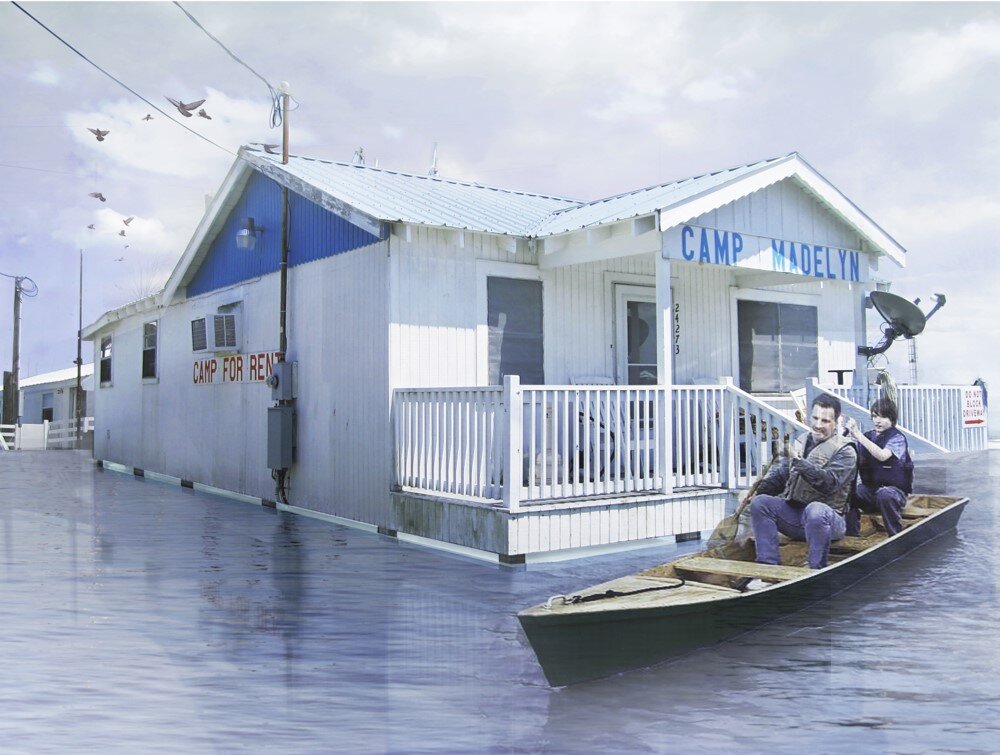
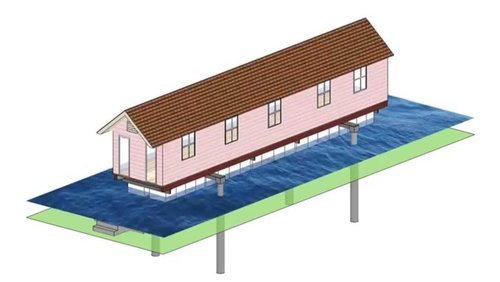
Amphibious architecture refers to an alternative flood mitigation strategy that allows an otherwise-ordinary structure to float on the surface of rising floodwater rather than being inundated. An amphibious foundation retains a home’s connection to the ground by resting firmly on the earth under usual circumstances, yet it allows a house to float as high as necessary when flooding occurs. A buoyancy system beneath the house displaces water to provide flotation as needed, and a vertical guidance system allows the rising and falling house to return to exactly the same place upon descent. Amphibious architecture is a flood mitigation strategy that works in synchrony with a floodprone region’s natural cycles of flooding, rather than attempting to obstruct them.


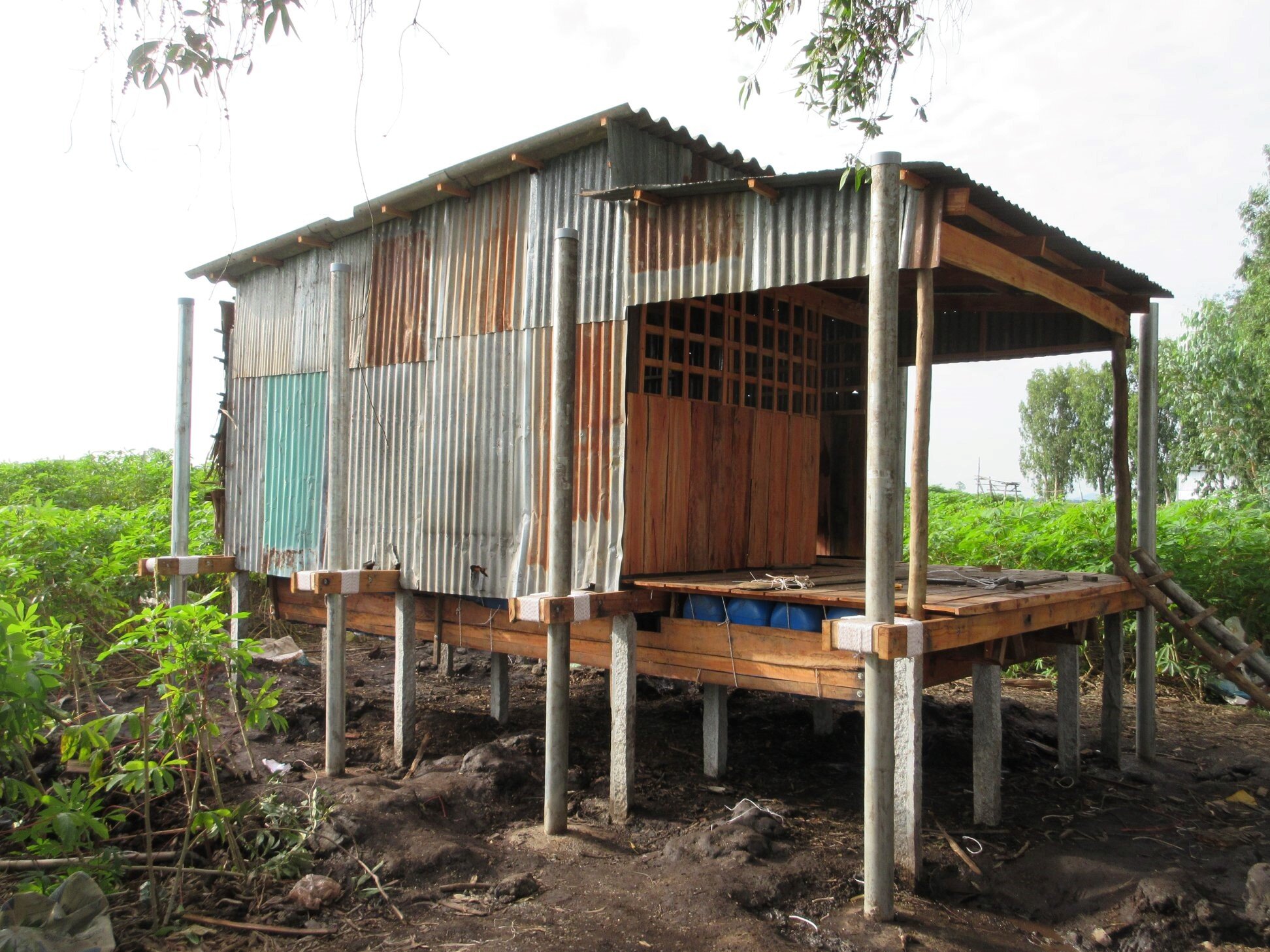
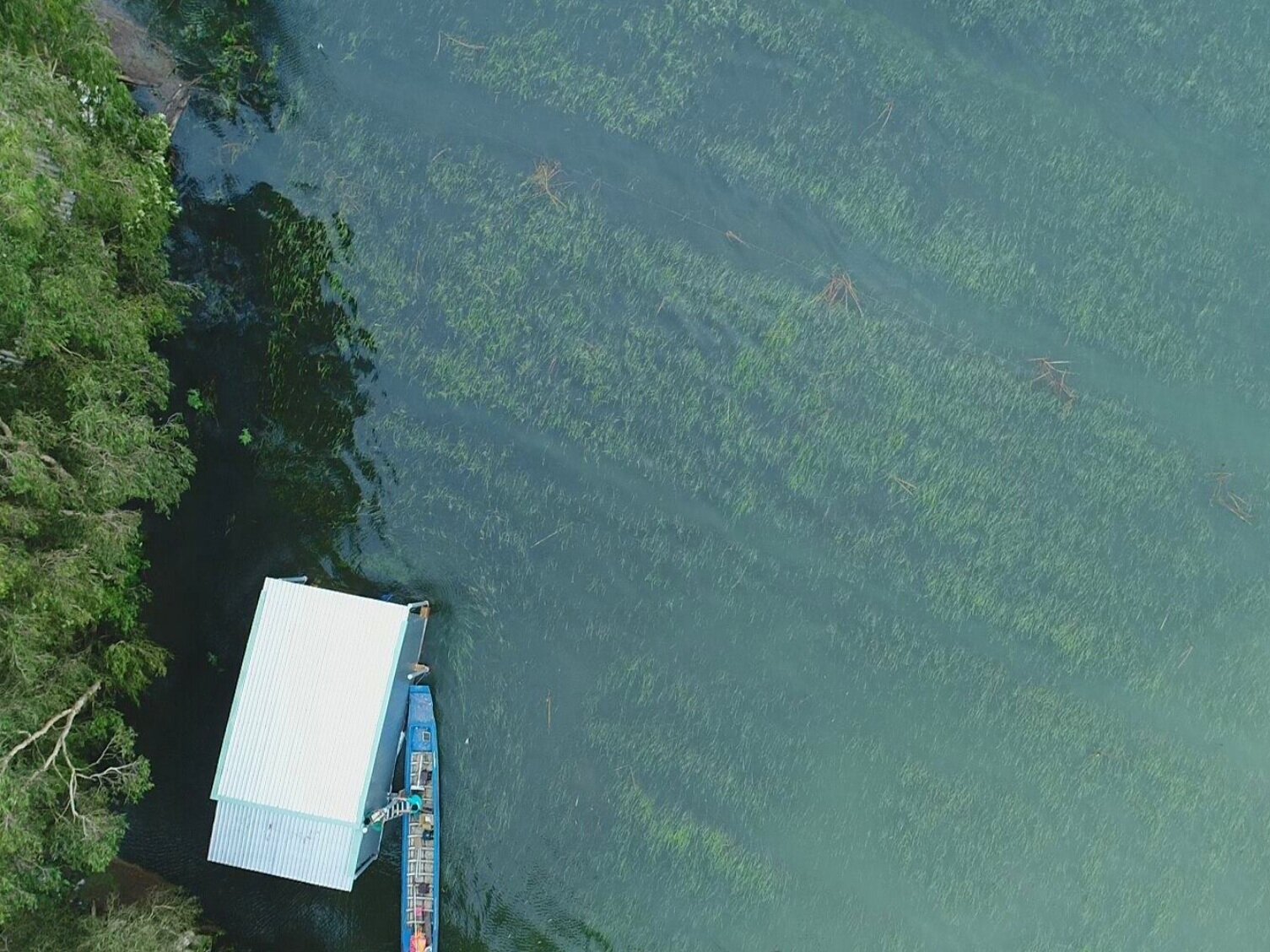
See project: Nicaragua: Casa Anfibia
What is a Buoyant Foundation?
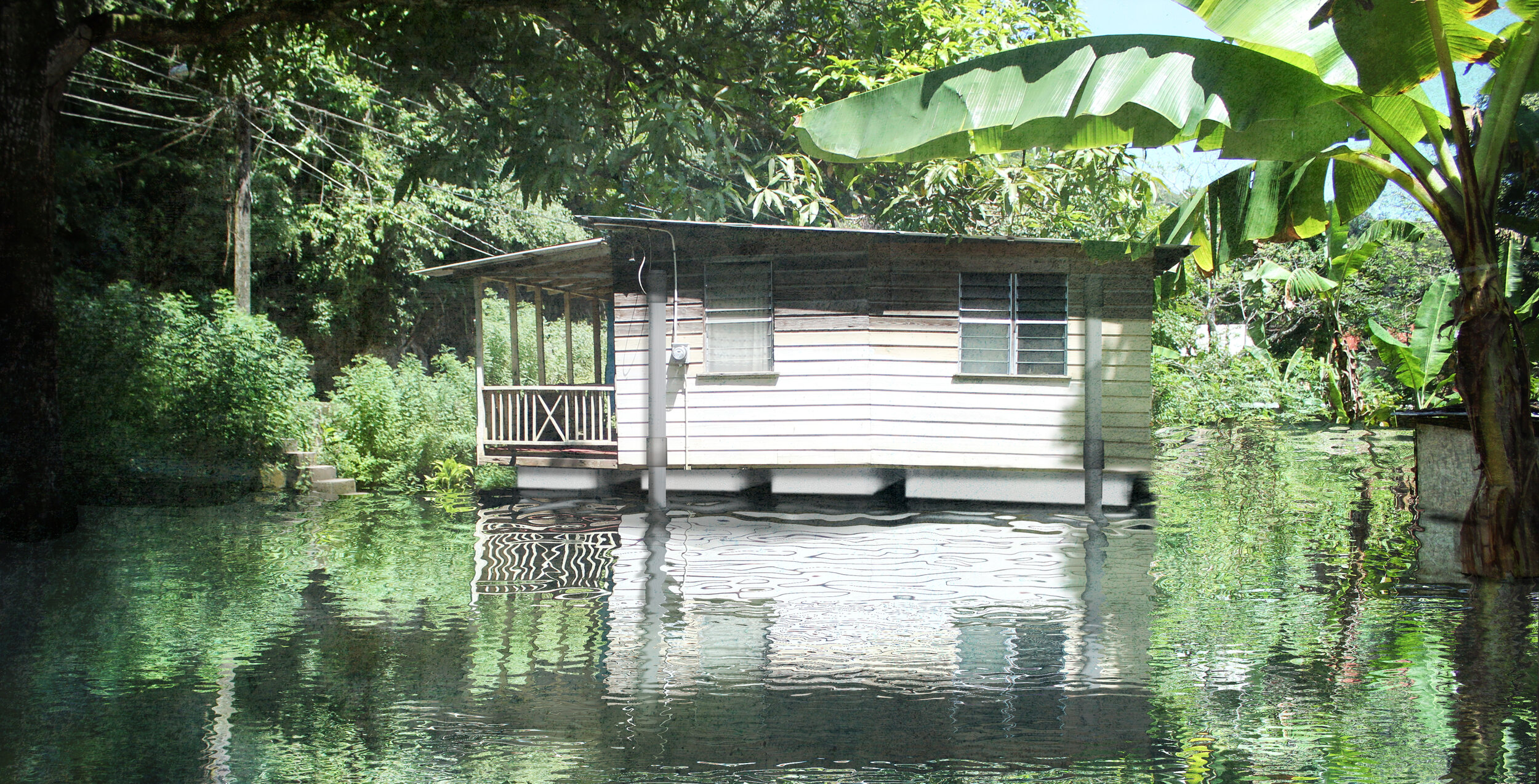
A buoyant foundation is a type of amphibious foundation in which an existing structure is retrofitted to allow it to float as high as necessary during floods while remaining on the ground in normal conditions. The system consists of three basic elements: buoyancy blocks underneath the house that provide flotation, vertical guideposts that prevent the house from going anywhere except straight up and down, and a structural sub-frame that ties everything together. Utility lines have either self-sealing ‘breakaway’ connections or long, coiled ‘umbilical’ lines. Houses that can be elevated can be amphibiated, usually at a significantly lower cost.
The Buoyant Foundation Project was founded in 2006 by Professor Elizabeth English. After witnessing the devastation of Hurricane Katrina, Elizabeth began seeking flood-resilient housing solutions. She discovered that many traditional communities had been building floating houses for generations—for example, in Thailand, where bamboo bundles are used as rafts and tied to trees to keep houses stationary during floods. Inspired by these methods, she developed her first prototype with students at Louisiana State University, which proved successful after extensive testing. Years later, she continues this work with students to develop amphibious housing solutions across the globe.

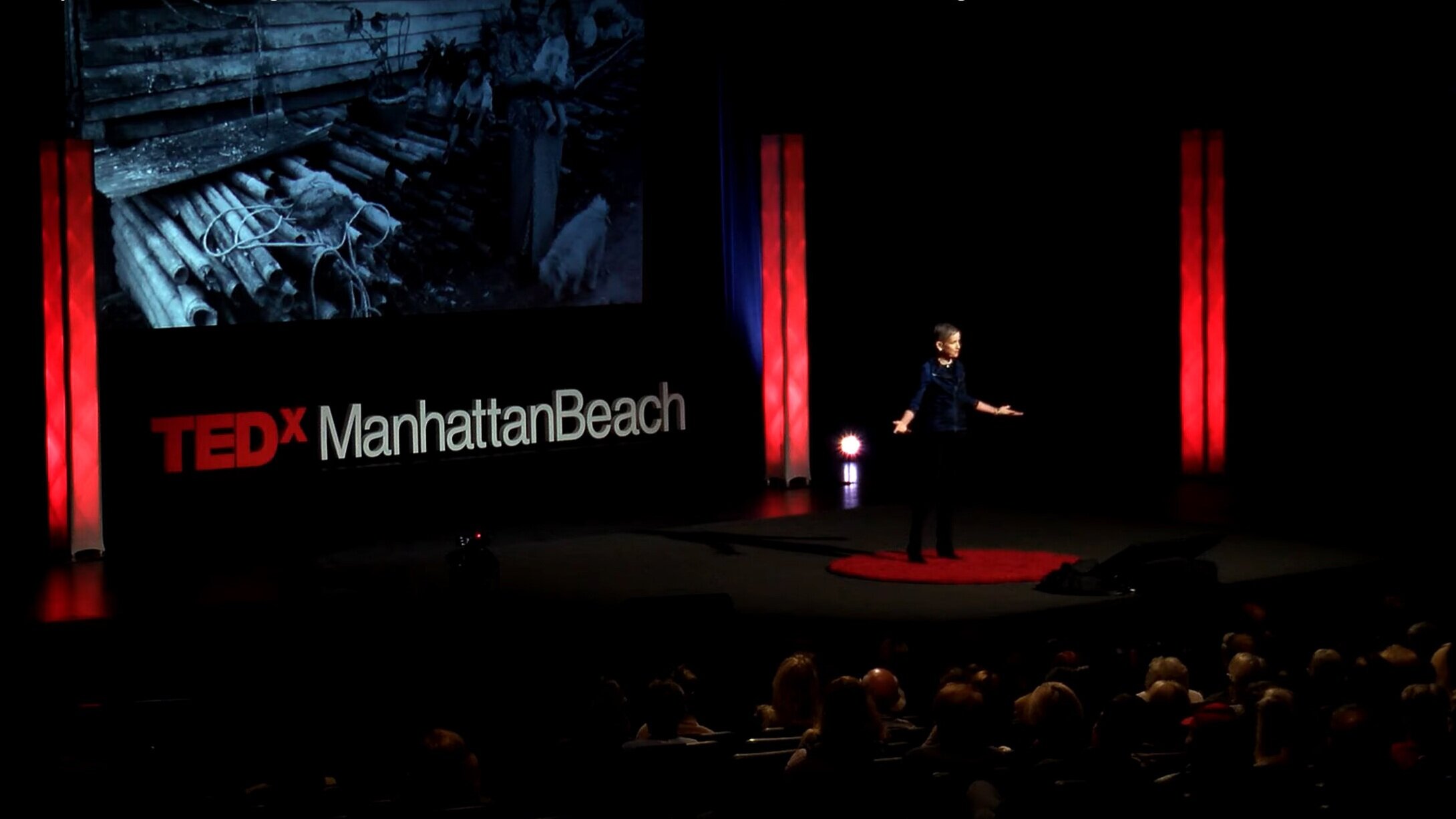
See Elizabeth discuss her journey: How amphibious housing can save communities in flood zones
Current Activities
The BFP will be participating in the Resilient City Expo, connecting with industry leaders and exploring innovative approaches to resilient and disaster-adaptive housing and infrastructure.
Dates: October 14-15, 2026
Location: Houston, Texas
The BFP will be participating in the 6th World Conference on Floating Solutions (WCFS) in Singapore, contributing to a session titled “Engineering Equity: Design and Legal Considerations for Floating and Amphibious Infrastructure.”
Dates: October 19-21, 2026
Location: Singapore

The BFP is partnering with the non-profit organization Sesor to develop an amphibious housing project for informal communities in Lagos, Nigeria.
Location: Lagos, Nigeria